Understanding Microneedling: Benefits, Risks & What to Expect
Microneedling has become one of the most sought-after cosmetic dermatology treatments for patients looking to improve skin texture, soften fine lines, reduce acne scarring and restore overall skin quality – without surgery or extensive downtime. Despite its growing popularity, many people still aren’t entirely sure how it works or whether it’s suitable for their skin.
At our clinic, we regularly see patients who are curious about microneedling but understandably cautious about trying it for the first time. Questions around safety, discomfort, downtime and results are extremely common. From our clinical experience, microneedling can be an excellent treatment when carried out correctly and tailored to the individual’s skin type and concerns.
In this guide, we’ll explain what microneedling is, how it works, the benefits and risks involved, and what you can realistically expect before, during and after treatment.

What Is Microneedling?
Microneedling, sometimes referred to as collagen induction therapy, is a minimally invasive skin treatment that uses fine, sterile needles to create controlled micro-injuries within the skin’s surface. These tiny punctures stimulate the skin’s natural healing response, encouraging the production of collagen and elastin – two proteins essential for maintaining firm, healthy-looking skin.
The treatment is commonly performed using a medical-grade microneedling device that allows precise control over needle depth depending on the area being treated and the skin concern being addressed.
At The Devonshire Clinic, microneedling is often used as part of a wider cosmetic dermatology treatment plan tailored to long-term skin health and natural-looking rejuvenation.
What Can Microneedling Help Treat?
Microneedling is versatile and suitable for a wide range of skin concerns. One of the reasons patients choose it is because it improves skin quality gradually and naturally, rather than creating dramatic or artificial-looking changes.
Common concerns treated with microneedling include:
- Fine lines and early wrinkles
- Acne scarring
- Enlarged pores
- Uneven skin texture
- Mild pigmentation issues
- Sun damage
- Stretch marks
- General skin dullness or loss of firmness
We also frequently recommend microneedling for patients who want preventative skin maintenance and collagen support as part of a healthy ageing strategy.
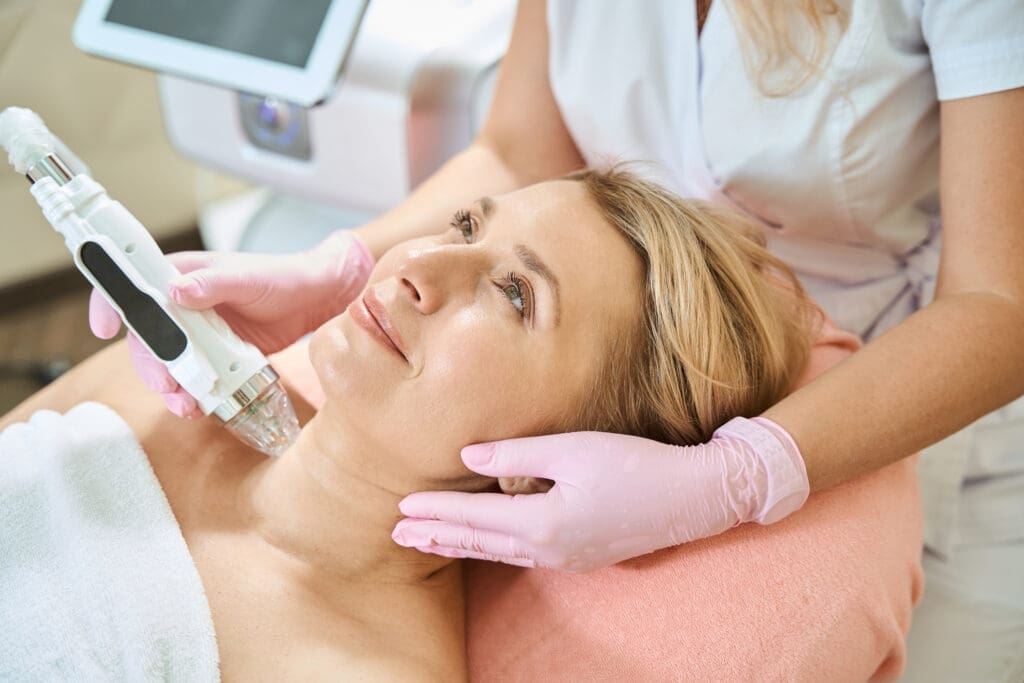
The Benefits of Microneedling
1. Stimulates Natural Collagen Production
One of the biggest advantages of microneedling is that it works with your body’s own repair mechanisms. As collagen production increases over the following weeks and months, skin gradually appears firmer, smoother and more even.
2. Minimal Downtime
Compared with more aggressive resurfacing procedures, microneedling usually involves relatively short recovery periods. Most patients experience redness and mild sensitivity for 24–72 hours, depending on treatment depth.
3. Suitable for Different Skin Types
Unlike some laser treatments, microneedling can often be safely performed on a broader range of skin tones when carried out by experienced professionals.
4. Improves Product Absorption
Following treatment, skincare products can penetrate more effectively into the skin. This is why we often pair microneedling with carefully selected medical-grade serums to support healing and hydration.
5. Gradual, Natural-Looking Results
Results develop progressively, which many patients prefer. Improvements in texture and radiance often appear within a few weeks, while collagen remodelling continues over time.
Are There Any Risks?
Like any cosmetic procedure, microneedling does carry some risks, particularly if performed incorrectly or without proper hygiene standards.
Potential side effects include:
- Temporary redness and swelling
- Mild peeling or dryness
- Bruising in sensitive areas
- Temporary breakouts
- Skin irritation or sensitivity
More serious complications are uncommon but can include:
- Infection
- Post-inflammatory pigmentation
- Scarring if the skin is over-treated
- Delayed healing in certain skin conditions
This is why professional assessment is essential before treatment. At our clinic, we assess your skin type, medical history and any active skin conditions to ensure microneedling is appropriate and safe for you.
Microneedling may not be suitable if you have:
- Active acne or skin infections
- Certain inflammatory skin conditions
- Poor wound healing
- Recent isotretinoin use
- Uncontrolled rosacea or eczema flare-ups
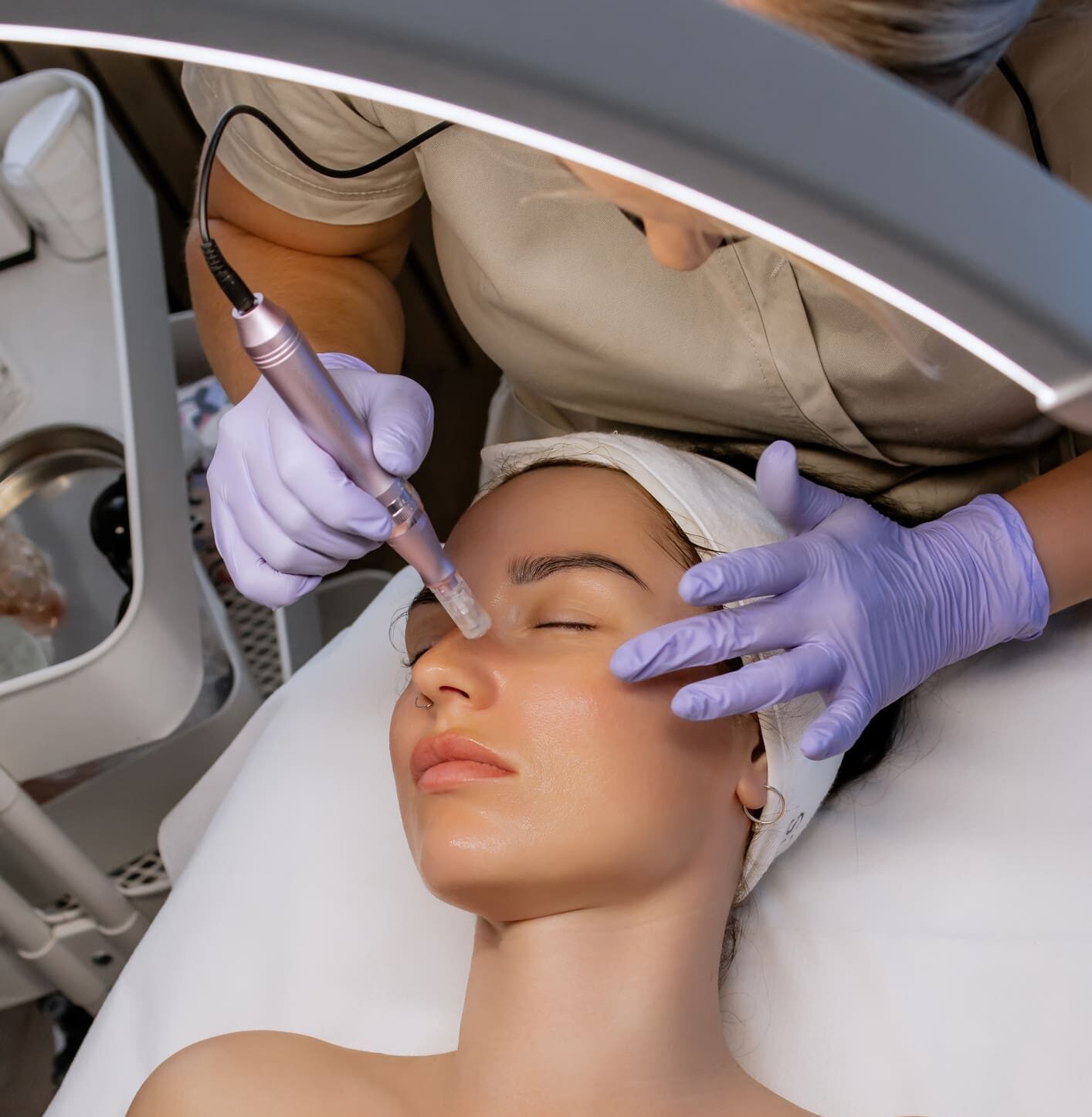
What Happens During Treatment?
Before treatment begins, your skin will be cleansed thoroughly and a topical numbing cream may be applied to improve comfort.
The microneedling device is then passed carefully across the skin. Patients often describe the sensation as mildly scratchy or prickly rather than painful. Treatment time varies depending on the area but usually takes around 30–60 minutes.
Afterwards, your skin may appear red – similar to mild sunburn – and feel warm or tight for a short period.
What to Expect After Microneedling
Proper aftercare plays an important role in both results and recovery. Following treatment, we advise patients to:
- Keep the skin hydrated using gentle, fragrance-free moisturisers
- Avoid makeup for at least 24 hours if possible
- Wear broad-spectrum SPF daily
- Avoid direct sun exposure during healing
- Avoid active skincare ingredients such as retinoids or exfoliating acids for several days
- Avoid intense exercise, saunas or steam rooms immediately afterwards
Most redness settles within a few days, although deeper treatments may involve slightly longer recovery.
Skin often begins to look fresher within one to two weeks, but the full collagen-building benefits develop gradually over several months.

How Many Sessions Are Needed?
The number of sessions depends on your goals and skin concerns.
As a general guide:
- Mild rejuvenation: 3 sessions
- Acne scarring: 4–6 sessions
- Maintenance treatments: every few months
We create personalised treatment plans based on your skin’s needs and response to treatment.
Combining Microneedling with Other Treatments
Microneedling is often combined with complementary procedures to enhance results. Depending on your skin concerns, we may recommend combining it with:
- Gentle chemical peels
- LED light therapy
- Regenerative treatments
- Medical-grade skincare programmes
Our goal is always to improve skin health in a balanced and sustainable way, rather than overtreating the skin.
Frequently Asked Questions
Is microneedling painful?
Most patients tolerate it very well. A numbing cream is usually applied beforehand to minimise discomfort.
How long does it take to recover?
Redness typically settles within 24–72 hours. Some patients may experience mild dryness or flaking afterwards.
Can microneedling make acne scars disappear completely?
It can significantly improve the appearance of acne scarring, although complete removal is rarely possible. Results improve gradually with multiple sessions.
Is microneedling safe for darker skin tones?
Yes, when performed correctly by experienced practitioners, microneedling is generally considered safe for a wide range of skin tones.
When will I see results?
Many patients notice improved glow and texture within a couple of weeks, with collagen improvements continuing for several months.
Is Microneedling Right for You?
Microneedling is an effective option for patients looking to improve skin texture, firmness and overall skin quality with minimal downtime. The key is ensuring treatment is tailored appropriately and carried out in a medically-led setting.
At The Devonshire Clinic, we take a personalised approach to cosmetic dermatology, helping patients achieve natural-looking improvements grounded in clinical expertise and long-term skin health.
To learn more about our cosmetic dermatology treatments or book a consultation, contact our team today.