Common Myths About Skin Treatments – Busted by Dermatologists
With so much skincare advice available online, it can be difficult to know what’s accurate and what’s simply a myth. Social media trends, celebrity endorsements and well-meaning recommendations often make skin treatments seem either miraculous or frightening, leaving many people unsure about what actually works.
At The Devonshire Clinic, we regularly meet patients who have delayed treatment because they’ve heard misinformation about cosmetic dermatology or are worried about exaggerated claims. Others have tried countless products based on online advice before seeking professional guidance. From our clinical experience, understanding the facts helps patients make confident decisions about their skin health and choose treatments that are both safe and effective.
Below, we address some of the most common myths we hear in clinic and explain what the evidence really tells us.
Myth 1: Cosmetic Skin Treatments Always Look Unnatural
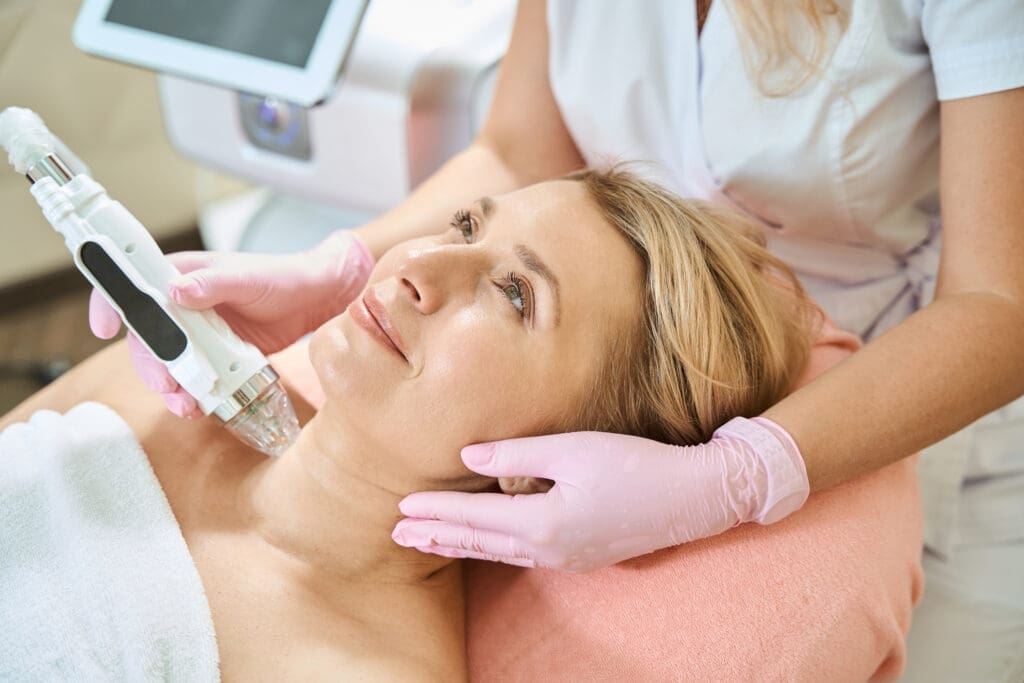
One of the biggest misconceptions is that cosmetic dermatology inevitably leads to an artificial appearance. While highly visible results often receive the most attention online, modern cosmetic dermatology has moved towards a much more personalised and subtle approach.
Our aim is to improve skin quality rather than dramatically change someone’s appearance. Treatments are carefully selected based on individual skin concerns, age and overall skin health. Whether addressing pigmentation, fine lines, acne scarring or uneven texture, the goal is for patients to look refreshed and healthy rather than noticeably “treated”.
A thorough consultation is essential for creating a treatment plan that complements your natural features and long-term skin goals.
Myth 2: Chemical Peels Remove Layers of Healthy Skin
The phrase “chemical peel” can sound intimidating, leading some people to believe these treatments strip away large amounts of healthy skin.
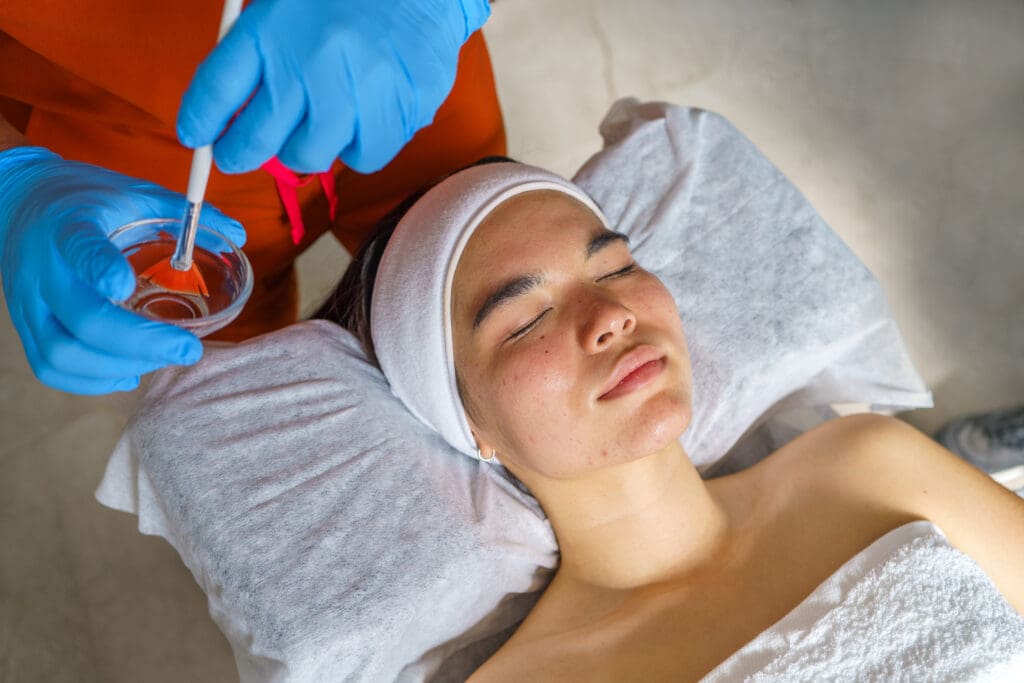
In reality, modern chemical peels are carefully controlled treatments that encourage the removal of damaged surface cells while stimulating healthy skin renewal. Different strengths are available depending on your skin type and the concern being treated.
When performed by experienced medical professionals, chemical peels can improve:
- Uneven pigmentation
- Fine lines
- Acne and post-acne marks
- Dull skin
- Rough texture
The treatment selected will always be appropriate for your skin, with careful aftercare guidance to support recovery.
Myth 3: Laser Treatments Thin the Skin
This is another concern we hear frequently.
The opposite is generally true. Many medical laser treatments stimulate collagen production beneath the skin’s surface, helping improve firmness and skin quality over time. While there may be temporary redness following treatment, properly selected laser procedures do not weaken healthy skin.
Instead, they can improve concerns such as:
- Sun damage
- Pigmentation
- Facial redness
- Fine lines
- Uneven texture
Winter is often an ideal time for laser treatments because reduced UV exposure allows the skin to heal more comfortably.
You can learn more about our Cosmetic Dermatology services during a personalised consultation.
Myth 4: Expensive Skincare Products Always Work Better
Price alone doesn’t determine whether a skincare product will be effective.
The ingredients, formulation and suitability for your individual skin are far more important than the brand name or packaging. A simple skincare routine using evidence-based ingredients often produces better long-term results than a complicated routine filled with numerous expensive products.
Some of the ingredients with the strongest scientific evidence include:
- Retinoids
- Vitamin C
- Niacinamide
- Ceramides
- Broad-spectrum sunscreen
Our recommendations are always based on your skin’s individual needs rather than trends or marketing claims.
Myth 5: You Only Need Sunscreen on Sunny Days
This remains one of the most persistent myths in dermatology.
Ultraviolet A (UVA) rays penetrate clouds and glass and are present throughout the year. These rays contribute significantly to premature skin ageing and increase the lifetime risk of skin cancer.
Daily use of a broad-spectrum SPF 30 or higher remains one of the most effective ways to protect skin health, regardless of the season.
According to the British Association of Dermatologists and the NHS, consistent sun protection is one of the simplest ways to reduce long-term skin damage.

Myth 6: If a Mole Isn’t Painful, It Can’t Be Skin Cancer
Many skin cancers cause no pain at all during their early stages.
Some suspicious moles may itch, bleed or change in appearance, while others remain completely symptom-free. This is why regular skin checks are so important.
You should seek mole assessment if you notice:
- A new mole appearing in adulthood
- Changes in size, colour or shape
- Irregular borders
- Bleeding or crusting
- Persistent itching
Early diagnosis offers the best opportunity for successful treatment.
Myth 7: Anti-Ageing Treatments Are Only for Older People
Many patients assume cosmetic dermatology only becomes relevant later in life.
In reality, prevention often begins much earlier. Healthy skincare habits, daily SPF and appropriate professional treatments can help maintain collagen, minimise cumulative sun damage and support skin quality before more obvious signs of ageing develop.
The focus isn’t on trying to stop ageing but on maintaining healthy skin throughout life.
Myth 8: More Skincare Products Mean Better Results
Social media routines featuring ten or more products have encouraged the belief that complex skincare routines produce better skin.
However, using too many active ingredients can compromise the skin barrier and increase sensitivity, irritation and breakouts.
We often recommend a routine built around just a few essentials:
- Gentle cleanser
- Moisturiser
- Antioxidant serum where appropriate
- Retinoid if suitable
- Daily sunscreen
Consistency almost always delivers better results than constantly introducing new products.

Myth 9: Cosmetic Treatments Don’t Require Medical Expertise
Some aesthetic treatments may appear straightforward, but the skin is a complex organ that requires expert assessment before treatment.
Consultant dermatologists understand skin anatomy, medical conditions, skin cancer recognition and how different treatments interact with underlying skin health.
Medical assessment helps ensure:
- The correct diagnosis
- Appropriate treatment selection
- Safe management of complications if they occur
- Realistic expectations and long-term planning
Choosing a medically-led clinic provides reassurance that your treatment is based on clinical evidence rather than trends.
Frequently Asked Questions
Is cosmetic dermatology safe?
When treatments are carried out by experienced medical professionals following a thorough consultation, cosmetic dermatology has an excellent safety profile.
How do I know which treatment is right for me?
Every patient’s skin is different. A consultation allows us to assess your concerns, medical history and skin type before recommending appropriate options.
Can skincare replace professional treatments?
Good skincare provides the foundation for healthy skin, while professional treatments can address concerns that topical products alone cannot fully improve.
Are online skincare trends reliable?
Some are based on sound science, but many lack evidence or are unsuitable for certain skin types. Professional advice is always the safest approach.
Should I wait until my skin looks older before seeking advice?
Not necessarily. Prevention and maintenance often produce better long-term results than waiting until concerns become more advanced.
Trust Evidence, Not Myths
Looking after your skin shouldn’t feel confusing. While myths about cosmetic dermatology continue to circulate, the best decisions are always based on clinical evidence, personalised advice and realistic expectations.
At The Devonshire Clinic, we take the time to understand your skin, explain your options clearly and recommend treatments that support long-term skin health. Whether you’re considering treatment for the first time or simply want expert guidance, our Cosmetic Dermatology team is here to help you make informed decisions with confidence.