Longevity and Skin Health: The Dermatologist’s Approach to Ageing Gracefully
As conversations around longevity become more prominent, many of our patients are no longer focused solely on looking younger – they’re interested in maintaining healthy, resilient skin for the long term. Ageing is a natural process, but how our skin ages is influenced by a combination of genetics, lifestyle, and the care we provide it over time. From our clinical experience, a thoughtful, consistent approach to skin health can make a significant difference in how skin looks and performs over the years.
We often see patients who want subtle, natural improvements rather than dramatic changes. The goal is not to reverse time, but to support the skin so it remains strong, even-toned, and well-functioning. This aligns closely with a longevity-focused mindset – one that prioritises prevention, maintenance, and evidence-based treatments rather than quick fixes.
In this article, we explore how dermatology supports healthy ageing, what happens to the skin over time, and how you can take a proactive approach to maintaining skin quality at every stage of life.
Understanding How Skin Ages
Skin ageing occurs due to both intrinsic (natural) and extrinsic (environmental) factors. Intrinsic ageing is genetically determined and leads to gradual thinning of the skin, reduced collagen production, and slower cell turnover. Extrinsic ageing, on the other hand, is driven by external influences such as UV exposure, pollution, smoking, and lifestyle habits.
Over time, these processes result in:
- Fine lines and wrinkles
- Loss of elasticity and firmness
- Uneven skin tone or pigmentation
- Dryness and reduced barrier function
- Thinning or more fragile skin
One of the most significant contributors is sun exposure, which accelerates collagen breakdown and leads to premature ageing. According to guidance from the NHS, consistent sun protection is one of the most effective ways to maintain healthy skin as you age.

Prevention First: Building a Long-Term Skin Strategy
From a dermatological perspective, longevity in skin health begins with prevention. We encourage patients to adopt habits that protect the skin barrier and minimise damage over time.
Daily Sun Protection
Using a broad-spectrum SPF 30 or higher every day is essential, regardless of the season. UVA rays, which contribute to ageing, are present year-round and penetrate through clouds and windows.
Consistent Skincare Routine
A simple, consistent routine is far more effective than frequently changing products. We typically recommend:
- A gentle cleanser that doesn’t strip the skin
- A moisturiser suited to your skin type
- Targeted ingredients such as antioxidants or retinoids, introduced gradually
Two ingredients we frequently discuss with patients interested in long-term skin health are topical retinoids and vitamin C.

Topical retinoids, including prescription-strength retinoids and over-the-counter retinol products, are widely used in dermatology because they encourage cell turnover and support collagen production. Over time, they can help soften fine lines, improve uneven pigmentation and refine skin texture. From our clinical experience, retinoids work best when introduced slowly and used consistently alongside moisturiser and daily SPF, as they can initially cause dryness or irritation in some skin types.
Vitamin C serums are another valuable addition to a longevity-focused skincare routine. As a powerful antioxidant, vitamin C helps defend the skin against environmental stressors such as pollution and UV exposure, both of which contribute to premature ageing. It can also support a brighter, more even complexion and improve dullness over time. We often recommend applying vitamin C in the morning underneath sunscreen to provide additional antioxidant protection throughout the day.
The key with active ingredients is balance. Overusing strong products or combining too many at once can weaken the skin barrier and increase sensitivity. A personalised approach, guided by your skin type and concerns, usually produces the most sustainable long-term results.
Lifestyle Considerations
Hydration, sleep, and diet all play a role in skin health. A balanced diet rich in antioxidants supports the skin’s repair processes, while adequate sleep allows for overnight regeneration. The British Association of Dermatologists also highlights the importance of avoiding smoking, which accelerates skin ageing.
Supporting the Skin Barrier Over Time
A strong skin barrier is central to long-term skin health. As we age, the barrier becomes less efficient at retaining moisture and protecting against irritants. This is why many people notice increased dryness or sensitivity over time.
We often advise patients to:
- Use ceramide-rich moisturisers to reinforce the barrier
- Avoid over-exfoliating, which can weaken the skin
- Introduce active ingredients slowly and monitor tolerance
- Adjust skincare seasonally, especially during colder months
Maintaining barrier function not only improves comfort but also enhances the effectiveness of other treatments.
Subtle, Clinical Treatments That Support Longevity
While good skincare forms the foundation, professional treatments can support the skin at a deeper level. The focus is on gradual, natural-looking improvements that enhance skin quality rather than altering facial features.
At our clinic, we offer a range of cosmetic dermatology treatments designed with long-term skin health in mind.
Collagen-Stimulating Treatments
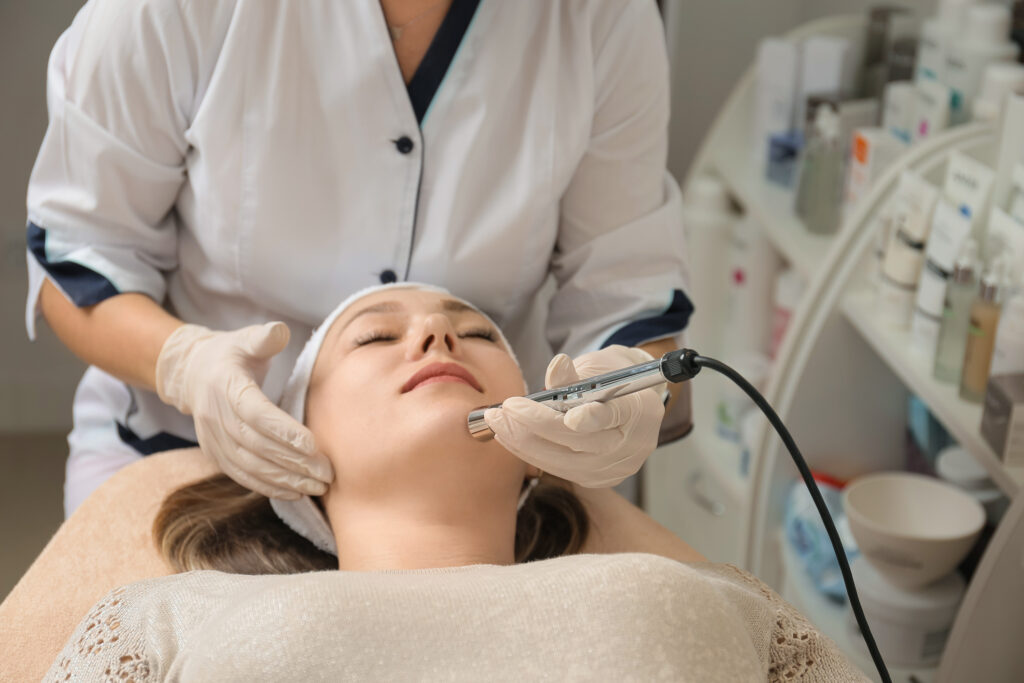
Procedures such as microneedling and certain injectable therapies help stimulate the body’s natural collagen production. This improves skin firmness and texture over time, rather than creating instant but temporary effects.
Laser and Light-Based Treatments
Laser treatments can address pigmentation, redness, and uneven tone. When used appropriately, they support a clearer, more even complexion with minimal disruption.

Medical-Grade Skin Treatments
Gentle chemical peels and hydrating facials can improve cell turnover and restore radiance. These are particularly useful for maintaining skin quality between more intensive procedures.
What matters most is not the individual treatment, but how it fits into a long-term, personalised plan based on your skin’s needs and how it changes over time.
The Role of Regular Dermatology Assessments
Healthy ageing isn’t just about appearance – it’s also about monitoring skin health. Regular skin checks allow us to assess changes, identify early signs of damage, and adjust treatment plans accordingly.
During a consultation at The Devonshire Clinic, we take into account your skin history, lifestyle, and goals before recommending any treatment. This ensures that your care remains appropriate and effective as your skin evolves.
Regular reviews also help prevent overtreatment, which can compromise the natural balance and function of the skin.
Avoiding Common Anti-Ageing Mistakes
In the pursuit of youthful skin, it’s easy to fall into habits that may do more harm than good. From our experience, some of the most common mistakes include:
- Overusing active ingredients, leading to irritation and barrier damage
- Skipping SPF, even during winter or on cloudy days
- Following trends without professional advice, which may not suit your skin type
- Expecting instant results, rather than committing to consistent care
A longevity-focused approach values patience, consistency, and expert guidance over quick fixes.
Frequently Asked Questions
What is the best age to start anti-ageing skincare?
There’s no fixed age. Prevention can begin in your 20s with SPF and simple skincare, while more targeted treatments are often introduced in your 30s and beyond.
Do I need professional treatments to maintain healthy skin?
Not necessarily, but they can enhance and support your results. A combination of good skincare and occasional treatments often provides the best outcomes.
Can ageing skin become more sensitive?
Yes. As the skin barrier weakens over time, it can become more reactive. Adjusting your skincare routine is important.
How often should I see a dermatologist?
This depends on your skin type and concerns, but many patients benefit from an annual review or more frequent visits if undergoing treatment.
A Balanced Approach to Ageing Well
Ageing gracefully isn’t about resisting change – it’s about supporting your skin so it remains healthy, comfortable, and resilient over time. With the right combination of prevention, professional care, and consistent habits, it’s entirely possible to maintain skin that looks and feels its best at every stage of life.
If you’re interested in building a personalised, long-term skin plan, explore our cosmetic dermatology services or book a consultation through The Devonshire Clinic. We’re here to guide you with expert advice and treatments grounded in clinical experience.