What Causes Uneven Skin Tone and How Can It Be Treated?
Uneven skin tone is one of the most common cosmetic concerns we see in dermatology. It can appear as isolated brown marks, areas of redness, patches of pigmentation or a complexion that simply looks less uniform than it once did. While uneven tone is often associated with sun exposure and ageing, there are many possible causes, and identifying the reason behind the colour change is an important part of choosing an appropriate treatment.
For some people, changes develop gradually following years of UV exposure. Others notice pigmentation after acne, inflammation or hormonal changes, while redness may be associated with visible blood vessels or an underlying skin condition. Two people can therefore describe exactly the same concern – “uneven skin tone” – while actually requiring quite different approaches.
From our clinical experience, this distinction matters. Rather than trying increasingly strong skincare products or booking a treatment without knowing what’s causing the problem, a dermatological assessment allows us to consider the type, depth and distribution of the discolouration. We can then recommend skincare, procedural treatment or a combination of approaches suited to the individual.
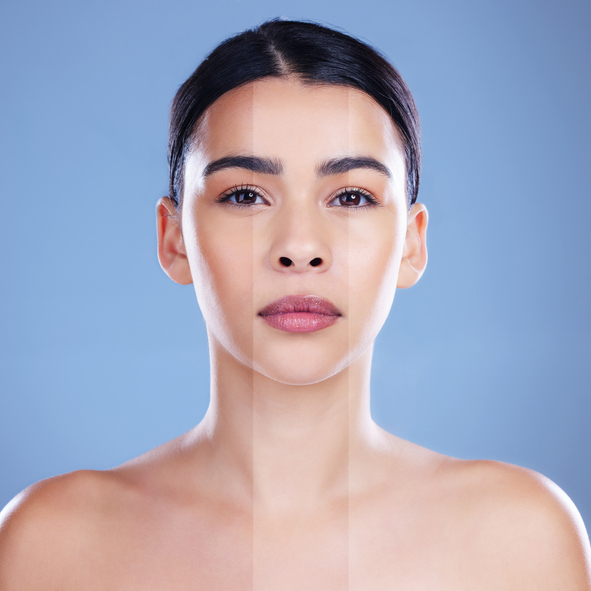
What Do We Mean by Uneven Skin Tone?
Healthy skin isn’t expected to be completely uniform in colour. Freckles, natural variations in pigmentation and visible blood vessels can all be normal. Uneven skin tone generally becomes a cosmetic concern when particular areas appear noticeably darker, redder or otherwise different from the surrounding skin.
Pigmentation develops through melanin, the pigment produced by cells called melanocytes. Melanin has an important protective role, but its production can increase in response to factors such as UV radiation, hormones and inflammation. This can leave areas of excess pigmentation even after the original trigger has disappeared.
Redness has different causes. Visible blood vessels, inflammation and conditions such as rosacea can all produce variations in colour that may be described as uneven tone. Establishing whether we’re treating pigment, vascular redness, inflammation or several issues together is therefore an important first step.
What Causes Uneven Skin Tone?
Sun Exposure and UV Damage
UV exposure is one of the major causes of uneven pigmentation. When skin is exposed to ultraviolet radiation, melanin production increases as part of its natural response. A tan is itself evidence of this response rather than an indication that the skin has become healthier.
Repeated exposure can eventually produce areas of concentrated pigmentation, including freckles and solar lentigines, commonly known as sun spots. These changes frequently appear on areas receiving regular exposure, including the face, forehead, cheeks, décolletage and backs of the hands.
Sun protection is consequently relevant whether someone is trying to prevent pigmentation or treating existing discolouration. The NHS advises using shade, suitable clothing and sunscreen as part of sun protection, particularly when UV levels are higher. Treatment can improve visible pigmentation, but continued UV exposure can encourage it to return.

Post-Inflammatory Hyperpigmentation
Inflammation can leave a darker mark after the skin itself has healed. This is known as post-inflammatory hyperpigmentation and can follow acne, eczema, injury, irritation or inappropriate treatment.
We frequently see this in patients who have picked spots or repeatedly used strong exfoliating products in an attempt to clear their complexion. The resulting irritation can make pigmentation more noticeable rather than less.
Post-inflammatory pigmentation is particularly relevant when treating darker skin tones, where the risk of pigmentary changes following inflammation can be greater. Treatment therefore needs to be selected and performed carefully rather than simply made more aggressive.
Hormonal Pigmentation and Melasma
Melasma usually produces symmetrical areas of brown or grey-brown pigmentation, commonly across the cheeks, forehead and upper lip. Hormonal influences can contribute, and the condition may become apparent during pregnancy or alongside hormonal medication. UV and visible light exposure can worsen it.
Melasma requires a considered approach because it can recur. Treatment may involve strict photoprotection, appropriate topical products and carefully selected treatments. Aggressive treatment isn’t automatically more effective, as irritation itself can worsen pigmentation in susceptible skin.
This is an example of why diagnosing the type of pigmentation before treating it is so important. A treatment that is appropriate for an isolated sun spot may not be the best strategy for melasma.
Acne, Redness and Skin Inflammation
Acne can leave both brown pigmentation and persistent red marks after individual spots have resolved. People may therefore feel that they still have active acne even when much of what they can see is residual colour change.
Rosacea and other inflammatory conditions can similarly create an uneven appearance through persistent facial redness and visible vessels. Treating these concerns requires us to consider the underlying condition rather than concentrating exclusively on colour.
Ageing can add another dimension. Years of cumulative UV exposure, changes in skin structure and slower renewal can make variations in pigmentation and texture more apparent. Treating texture and tone together can consequently produce a more balanced result than concentrating on individual marks.
How Can Uneven Skin Tone Be Treated?
There isn’t one treatment that suits every case of uneven skin tone. The appropriate approach depends on what’s causing the colour change, the patient’s skin type, the depth and nature of the pigmentation and whether concerns such as scarring, texture or redness are present at the same time.
Daily broad-spectrum sun protection is one of the foundations of managing pigmentation. Depending on the diagnosis, a dermatologist may also recommend topical ingredients that address pigmentation or cell turnover. These need to be used consistently and with attention to skin tolerance because excessive irritation can work against the result we’re trying to achieve.
For concerns that aren’t adequately addressed by skincare alone, procedural options may be considered. At our clinic, these include technologies such as Sylfirm X, Aerolase LightPod Neo and Aerolase Era Elite. Each works differently, so we select treatment according to the underlying concern rather than treating every form of uneven skin tone in the same way.
Sylfirm X for Pigmentation, Redness and Skin Quality
Sylfirm X combines radiofrequency energy with microneedling technology. Treatment parameters can be adjusted according to the concern being addressed and the characteristics of the patient’s skin.
It can be considered for concerns involving pigmentation and redness while supporting improvements in overall skin texture and quality. Controlled microneedling creates precise channels within the skin, while radiofrequency energy is delivered at the selected depth. This controlled process can stimulate collagen remodelling as the skin repairs.
For patients whose uneven tone occurs alongside concerns such as texture or early signs of skin ageing, addressing several aspects of skin quality within a carefully planned programme can be helpful. Suitability still needs to be assessed individually, particularly where pigmentation disorders or active inflammatory conditions are present.
You can learn more about the technology, treatment process and suitability on our Sylfirm X treatment page.
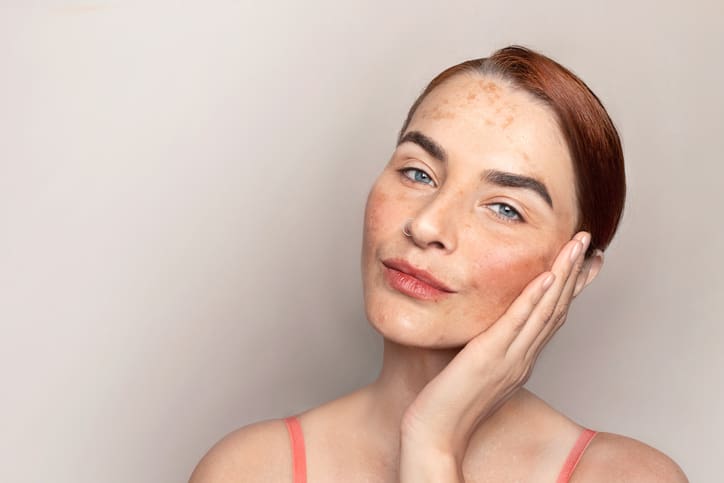
Aerolase LightPod Neo for Pigmentation and Redness
Uneven skin tone isn’t always caused solely by excess pigment. Redness and vascular concerns can contribute significantly to a patchy or inconsistent complexion, which is why identifying exactly what we’re seeing before recommending treatment matters.
Aerolase LightPod Neo is a 1064 nm Nd:YAG laser that can be used to address a range of dermatological and cosmetic skin concerns. Depending on the individual assessment, this may include aspects of pigmentation and vascular concerns that contribute to uneven-looking skin.
For some patients, uneven tone is accompanied by several concerns rather than one isolated patch of pigmentation. This is where a dermatologist-led assessment is particularly valuable. We can examine the skin, consider the likely cause of the discolouration and determine whether LightPod Neo, another technology or a different treatment strategy is appropriate.
As with any laser treatment, results and the number of sessions required vary between patients. Treatment selection should take skin type, medical history, the nature of the pigmentation or redness and previous treatments into account. Further details are available on our Aerolase LightPod Neo treatment page.
Aerolase Era Elite for Skin Resurfacing and Uneven Texture
Aerolase Era Elite provides a different approach. Era Elite is an Er:YAG laser used for skin resurfacing, allowing controlled treatment of superficial skin tissue.
Resurfacing may be considered where uneven tone occurs alongside concerns such as sun damage, fine lines or irregular texture. By treating the skin’s surface in a controlled manner, the treatment supports renewal as the treated area heals.
Laser resurfacing isn’t something we recommend simply because a patient describes their complexion as uneven. The cause of the discolouration, skin type, medical history and expected recovery all need to be considered first. Certain pigmentation conditions require particular care, and a consultation allows us to determine whether resurfacing is suitable or whether another approach would be preferable.
Further information about the treatment, suitability and recovery is available on our Aerolase Era Elite treatment page.
Which Treatment Is Right for Uneven Skin Tone?
Having several technologies available doesn’t mean every patient needs several treatments. Sylfirm X, LightPod Neo and Era Elite have different characteristics, and the treatment we recommend depends on what’s actually contributing to the uneven appearance.
For example, someone concerned primarily about redness may require a different approach from somebody with superficial sun damage and irregular texture. A patient with melasma or post-inflammatory hyperpigmentation requires particularly careful assessment because inappropriate or overly aggressive treatment may aggravate pigmentation.
This is why we begin with the skin rather than the treatment. Once we’ve established whether pigmentation, redness, texture, sun damage or a combination of factors is involved, we can discuss which treatment – if any – offers an appropriate route forward.
Recovery also differs between treatments. Redness, sensitivity, dryness or temporary changes in appearance can occur following treatments that stimulate or resurface the skin. We explain the expected recovery period and aftercare requirements beforehand so that patients know what to expect.
Sun protection becomes especially important after treatments targeting pigmentation or involving skin resurfacing. Freshly treated skin may be more vulnerable to UV exposure, and inadequate protection can contribute to further pigmentary changes. A suitable broad-spectrum sunscreen should therefore be used as advised alongside sensible avoidance of strong sunlight.
How Can You Help Prevent Uneven Skin Tone?
Treatment is only one part of managing uneven skin tone. Without addressing the factors that contributed to the problem, pigmentation and redness can return.
Daily sun protection is particularly important. We recommend using an appropriate broad-spectrum SPF and combining sunscreen with sensible measures such as seeking shade and wearing protective clothing during stronger sunshine. The British Association of Dermatologists similarly recommends combining sunscreen with shade and clothing rather than relying on sunscreen alone.
A consistent skincare routine can support results as well. Gentle cleansing and appropriate moisturisation help maintain the skin barrier, while ingredients such as vitamin C or topical retinoids may be appropriate for certain patients. Strong active ingredients aren’t suitable for everybody, however, and introducing several simultaneously can result in irritation.
We also advise against aggressively scrubbing pigmentation or repeatedly applying strong acids in an attempt to fade marks faster. More irritation can mean more inflammation, and for some people that leads to further post-inflammatory pigmentation. Sustainable improvement usually comes from consistency and appropriately selected treatments rather than intensity.
Frequently Asked Questions
Is uneven skin tone the same as hyperpigmentation?
Not necessarily. Hyperpigmentation describes areas where the skin contains increased pigment, whereas uneven skin tone can also involve redness and vascular changes. A dermatological assessment can help establish what’s producing the variation in colour.
Can uneven skin tone be permanently treated?
This depends on its cause. Some individual areas of pigmentation can respond very well to treatment, but factors such as UV exposure, hormones and inflammation can cause pigmentation to recur or new marks to develop. Maintenance and sun protection therefore remain important after treatment.
Can Sylfirm X help with uneven skin tone?
Sylfirm X may be considered for certain concerns involving pigmentation, redness and overall skin quality. Whether it’s appropriate depends on the cause of your uneven tone and your individual skin characteristics.
What is Aerolase LightPod Neo used for?
Aerolase LightPod Neo is a 1064 nm Nd:YAG laser that can be used for a range of dermatological and cosmetic concerns. Depending on an individual assessment, it may be considered where pigmentation or vascular redness contributes to uneven-looking skin.
What does Aerolase Era Elite treat?
Aerolase Era Elite is an Er:YAG laser used for skin resurfacing. It may be considered for concerns involving sun damage, uneven texture and signs of skin ageing. A consultation is required to establish whether laser resurfacing is appropriate for your skin.
How long does it take to improve uneven skin tone?
There isn’t a single timeframe because pigmentation and redness have numerous possible causes. Some concerns may improve following a planned treatment course, while conditions such as melasma often require ongoing management. We assess the skin first and explain what degree and pace of improvement are realistic.
Finding the Right Treatment for Your Skin
Uneven skin tone may seem like a straightforward cosmetic concern, but successful treatment starts by understanding what’s creating the colour variation. Sun damage, post-inflammatory pigmentation, melasma, acne and vascular redness don’t necessarily respond to the same treatment, which is why assessment is such an important part of our approach.
For suitable patients, Sylfirm X, Aerolase LightPod Neo and Aerolase Era Elite provide different approaches to concerns that can contribute to uneven-looking skin. Rather than choosing a treatment simply because it’s popular, we consider the condition of your skin, your goals, expected recovery and the likely benefits.
If uneven pigmentation, redness or texture is bothering you, a dermatological consultation can help establish the cause and identify appropriate options. With a personalised treatment plan, consistent skincare and careful UV protection, we can work towards clearer, more even-looking skin while keeping long-term skin health at the centre of the plan.