Why Is My Mole Itchy? Causes, Concerns and When to See a Dermatologist
Itchy skin is common and usually harmless. But when a mole starts to itch – especially if it wasn’t itchy before – it’s something we take seriously. Most moles remain stable throughout our lives, but any new or changing sensation, including itching, can be a sign that something isn’t quite right.
In our clinic, we regularly assess patients who are worried about an itchy mole, and while the cause is often benign, it’s never something we advise ignoring. From our clinical experience, the safest approach is always to err on the side of caution. An expert evaluation can give you clarity and, where necessary, lead to early detection of skin cancer such as melanoma – which is highly treatable when caught early.
If you’ve noticed an itchy mole, here’s what you need to know about what causes it, when to be concerned, and how to get it checked.

Is It Normal for a Mole to Itch?
Occasional itching anywhere on the body is normal – our skin responds to temperature, irritation, dryness and even fabric friction. Sometimes, a mole may itch for the same harmless reasons.
But what makes an itchy mole more significant is that it can also be a symptom of underlying cellular changes. In particular, melanoma, the most serious form of skin cancer, may cause itching as one of its early warning signs. That’s why a mole that becomes persistently itchy, sore or inflamed – especially if this is new – warrants a professional assessment.
It’s also important to distinguish between a mole that itches once and one that continues to itch over time. Persistent irritation, or a mole that itches alongside other changes in appearance or texture, should never be ignored.
Possible Causes of an Itchy Mole
There are several possible reasons why a mole may itch, and not all are cause for concern. These include:
1. Skin Irritation or Allergic Reaction
An itchy mole could be caused by friction from clothing, soap, cosmetics or even weather-related skin dryness. If the surrounding skin is also irritated, the cause may be environmental rather than structural.
2. Hormonal Changes
Hormonal fluctuations – such as during pregnancy, puberty or menopause – can affect moles. Some people notice changes in colour, size or sensitivity, including mild itching. In most cases, this isn’t harmful, but it’s still something we advise monitoring.
3. Infection or Trauma
If a mole has been scratched, shaved over, or otherwise injured, it might become itchy or inflamed. Localised infections in or around a mole can also lead to temporary irritation.
4. Skin Cancer
While most itchy moles are benign, itching can be a symptom of melanoma – particularly if it occurs alongside other signs such as colour changes, irregular borders or bleeding. For this reason, any mole that starts to itch without a clear cause should be examined.
We use mole screening services in our clinic to assess changes quickly and accurately, giving you peace of mind or a clear pathway to treatment if needed.
Signs to Watch Alongside Itching
An itchy mole on its own isn’t always a red flag – but when it’s combined with any of the following, it becomes more concerning:
- Change in size – especially rapid or uneven growth
- Change in shape – irregular or asymmetrical borders
- Change in colour – particularly if it becomes darker, red, blue or multi-coloured
- Bleeding or oozing – even small amounts
- Crusting or scabbing
- Pain, tenderness or inflammation around the mole
These signs – particularly when new or progressing – could point to a malignant melanoma, and we strongly recommend having the mole examined by a dermatologist.
How We Assess Itchy Moles at The Devonshire Clinic
If you’re concerned about an itchy mole, we offer a thorough, consultant-led assessment through our Mole Screening Service.
During your consultation, we’ll:
- Review your medical history and personal risk factors
- Conduct a full skin examination (or targeted check if you’re concerned about one area)
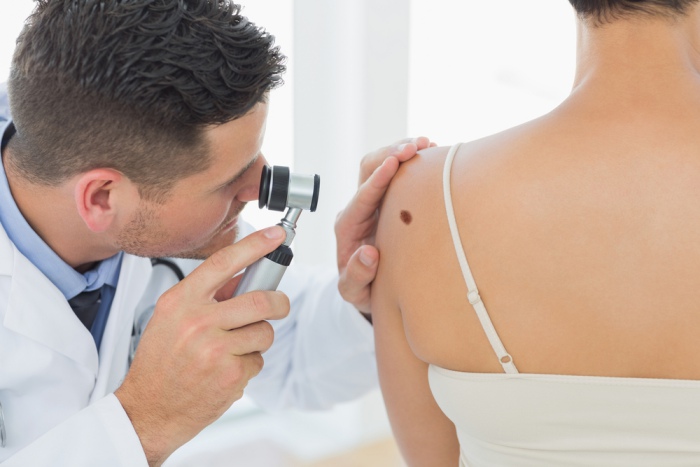
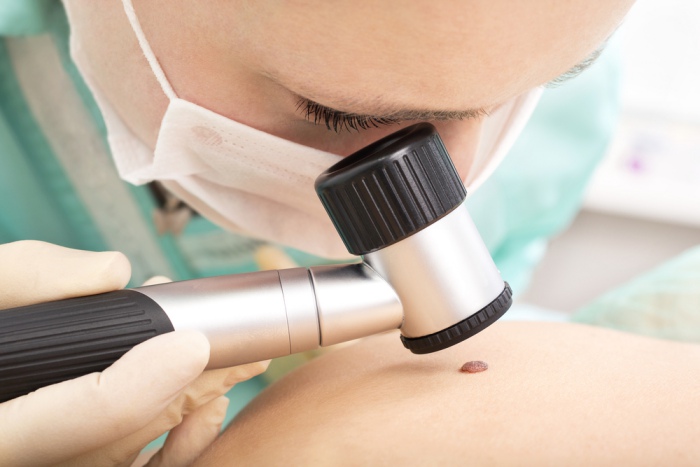
- Use dermatoscopy to closely examine the mole under magnification
- Identify whether the mole appears benign, suspicious, or requires a biopsy
Our consultants specialise in skin cancer diagnostics and are trained to differentiate between harmless skin changes and those that need further attention. If necessary, we’ll arrange for a minor surgical removal and histological analysis.
It’s important to stress that not all itchy moles mean cancer – but all suspicious moles should be checked.
Who’s Most at Risk?
Itchy moles can happen to anyone, but certain factors may increase your risk of skin cancer:
- Fair skin, freckles, and light-coloured eyes or hair
- A high number of moles or irregular/dysplastic moles
- Personal or family history of skin cancer
- History of sunburn or intense sun exposure
- Use of tanning beds
- Weakened immune system
If any of these apply to you, we recommend regular mole checks even in the absence of symptoms. Our screening appointments are quick, informative and led by experienced consultants.
Frequently Asked Questions
Should I be worried if my mole itches occasionally?
Occasional itching can be harmless, especially if due to irritation or dry skin. However, if the itching is persistent or accompanied by changes in the mole’s appearance, it should be checked by a dermatologist.
Can I treat an itchy mole at home?
You can apply moisturiser if the skin is dry or use a fragrance-free product, but avoid scratching. If the itch doesn’t resolve in a few days – or if the mole looks different – book a professional assessment.
Is it safe to remove an itchy mole?
Yes, if a mole is suspicious, it can be safely removed and examined under a microscope. We offer this as part of our clinical service when necessary.
Can itchy moles be a sign of melanoma?
Yes, itching is one of several symptoms that can be associated with melanoma. If itching occurs alongside colour, size, or shape changes, it must be examined without delay.
How quickly can I get a mole checked?
At The Devonshire Clinic, we offer timely appointments for mole checks. You can book directly via our Mole Screening Service page.
Don’t Ignore Changes – Book a Mole Check
If your mole is itchy, painful or changing in any way, it’s always best to have it looked at by a specialist. Early detection makes all the difference – and in most cases, we’re able to reassure patients and provide advice to monitor changes confidently.
Our mole screening service is discreet, efficient and led by consultant dermatologists with years of clinical experience. Whether it’s a single mole you’re concerned about or a full skin review,