Post-Holiday Skin Reset: Treating Winter Skin Stress After Festive Excess
After the celebrations, indulgent meals, and late nights of the festive season, many of us begin January with the same question: why does my skin look so tired? It’s a common complaint this time of year – dullness, breakouts, dehydration and uneven texture can all show up after weeks of disrupted routine and environmental stress.
We see it often in clinic: patients return from the holiday period with skin that’s lost its usual radiance. While cold weather certainly plays a role, diet, alcohol, lack of sleep and stress also have a noticeable impact on skin health. The good news? A targeted post-holiday skin reset – combining at-home care and professional treatments – can restore your complexion and protect your skin going into the new year.
Below, we’ve shared our expert-backed guide to giving your skin the reset it needs, with practical tips and professional options available through our cosmetic dermatology services.

Why Skin Suffers After the Festive Season
There’s no shame in enjoying the holidays, but the combination of rich food, sugary drinks, extra alcohol and irregular sleep patterns can all take a toll on your skin. We also tend to skip parts of our skincare routine during this time, and with heating on full blast and cold air outside, your skin is often fighting on multiple fronts.
Common post-holiday skin concerns include:
- Dehydration – leaving skin feeling tight, flaky or rough
- Breakouts and congestion, particularly around the chin or forehead
- Increased redness or sensitivity, especially in those with rosacea or eczema
- Loss of radiance, caused by sluggish cell turnover and barrier disruption
- Worsening of underlying skin conditions, due to stress or dietary changes
A skin reset isn’t about overloading your bathroom shelf or starting from scratch. It’s about restoring balance, supporting your skin barrier, and giving your skin the environment it needs to repair.
Your January Skin Reset Guide
Here’s how to gently bring your skin back to life after the holidays – starting with the basics.
1. Prioritise Hydration – Inside and Out
Cold weather and indoor heating naturally dry out your skin, but the holidays often make this worse. Alcohol is a diuretic, and sugar disrupts the skin’s ability to retain moisture. Add late nights into the mix, and your skin’s water reserves take a hit.
- Drink more water – consistently throughout the day, not just in one go
- Use a humectant-rich serum (like hyaluronic acid) under a rich moisturiser
- Avoid stripping cleansers – switch to a gentle, creamy cleanser in winter
- Apply moisturiser while your skin is slightly damp to lock in hydration
If you’re still feeling dry despite these steps, we often recommend a gentle in-clinic treatment like a hydrating peel or medical facial to reintroduce moisture and improve skin texture.
2. Rebalance Your Diet for Skin Health
After a season of indulgence, your skin will benefit from more consistent, nutrient-rich meals. We regularly remind patients that skin reflects internal health – and the gut-skin connection is especially relevant after dietary excess.
Support your skin by:
- Increasing omega-3 fats (e.g. salmon, walnuts, chia seeds) to calm inflammation
- Eating antioxidant-rich foods like berries, spinach and peppers
- Cutting back on added sugars and refined carbs, which can trigger breakouts
- Drinking green tea or herbal infusions that support skin and digestion
3. Don’t Overcorrect with Harsh Products
One of the most common mistakes we see in January is people over-exfoliating or using harsh actives to “fix” their skin. While it’s tempting to scrub away the dullness, this often damages the skin barrier, leading to sensitivity, redness and breakouts.
Instead:
- Skip physical scrubs – opt for a mild exfoliating acid (like lactic acid) no more than 1–2 times a week
- Avoid layering too many active ingredients (e.g. retinoids + acids + vitamin C all at once)
- Focus on barrier support, using ceramide-rich creams and hydrating masks
If your skin feels inflamed or reactive, we offer bespoke recommendations based on your skin’s current condition – including professional treatments that calm and restore.
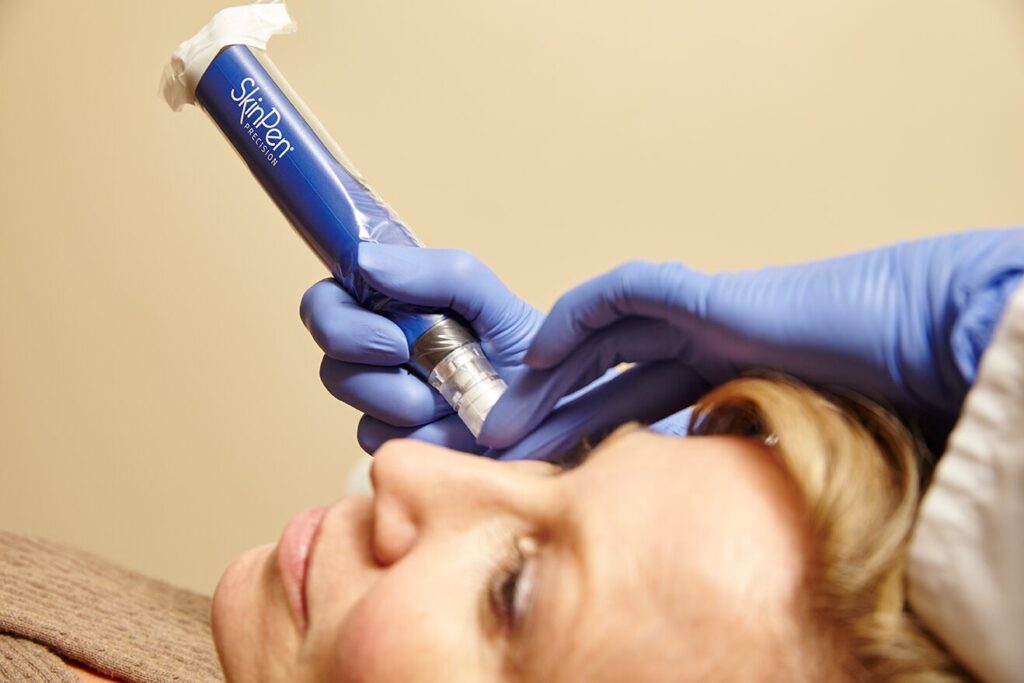
4. Consider Professional Skin Rejuvenation Treatments
Once your skin has had a week or two of recovery, in-clinic treatments can dramatically improve tone, clarity and hydration. Our consultant-led services offer personalised care based on your skin type and goals.
Treatments we often recommend in January include:
Microneedling
A collagen-boosting treatment that helps with texture, scarring, and dullness. It’s ideal for post-holiday skin that feels tired or uneven. We adjust intensity based on your skin’s current sensitivity.
Hydrating Peels
Gentle, low-strength chemical peels can exfoliate without stripping, helping to clear congestion and reveal fresher skin underneath. They also improve the absorption of skincare products.
Laser Rejuvenation
Target issues like sun damage, redness or pigmentation with laser or IPL treatments. Winter is the best time for these as skin is less exposed to UV, allowing safer recovery.
Explore our cosmetic dermatology treatments to see what may be right for you. If you’re not sure where to start, we can assess your skin and develop a tailored plan.
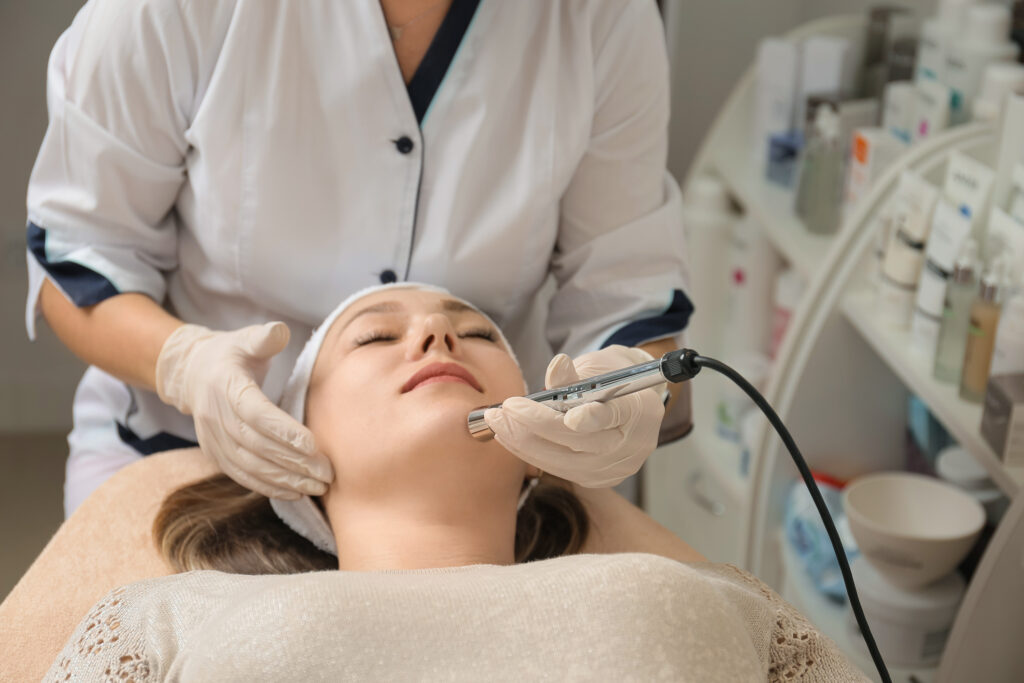
Post-Holiday Skin Recovery: Additional Tips
- Simplify your routine – sometimes less is more. Focus on cleansing, hydrating and protecting your skin.
- Keep wearing SPF – UV rays are lower in winter but still present, and they slow the skin’s ability to heal.
- Get more sleep – skin repair is most active overnight. Prioritise 7–9 hours if possible.
- Use a humidifier at home to combat dry indoor air
- Don’t pick at breakouts – try a targeted treatment or book a consultation if they persist
When to See a Dermatologist
If your skin hasn’t improved after a few weeks, or if you’re dealing with persistent issues like acne, eczema, or pigmentation, it may be time to seek expert help.
At The Devonshire Clinic, we offer:
- Consultant-led diagnosis and treatment for chronic skin conditions
- Medical-grade rejuvenation treatments for skin recovery and repair
- Advice tailored to your skin type, age and health history
- Ongoing support to help you maintain results year-round
Frequently Asked Questions
How long does it take to see improvement in post-holiday skin?
You may notice improvements within a week with good hydration and gentle care. More significant changes often take 3–4 weeks, especially with the help of professional treatments.
Can I restart active skincare like retinoids in January?
Yes – but ease back in slowly. Start with alternate nights and ensure your barrier is protected with moisturiser.
Is professional treatment always necessary?
Not always. Many people see results with at-home care, but if issues persist or you’re unsure where to start, we can guide you with personalised advice.
What’s the best treatment for dull winter skin?
It depends on your skin type. For many, a hydrating peel or microneedling session is enough to restore radiance. We can recommend options during a consultation.
Ready to Reset Your Skin?
Your skin has been through a lot over the festive period – and now is the perfect time to give it some care and attention. Whether you’re looking to clear breakouts, restore hydration, or simply feel more confident in your complexion, we’re here to help.
Visit our Cosmetic Dermatology page to learn more, or contact The Devonshire Clinic to book a consultation and start your post-holiday skin reset.