Children’s Skin in Winter: Common Problems & When to See a Dermatologist
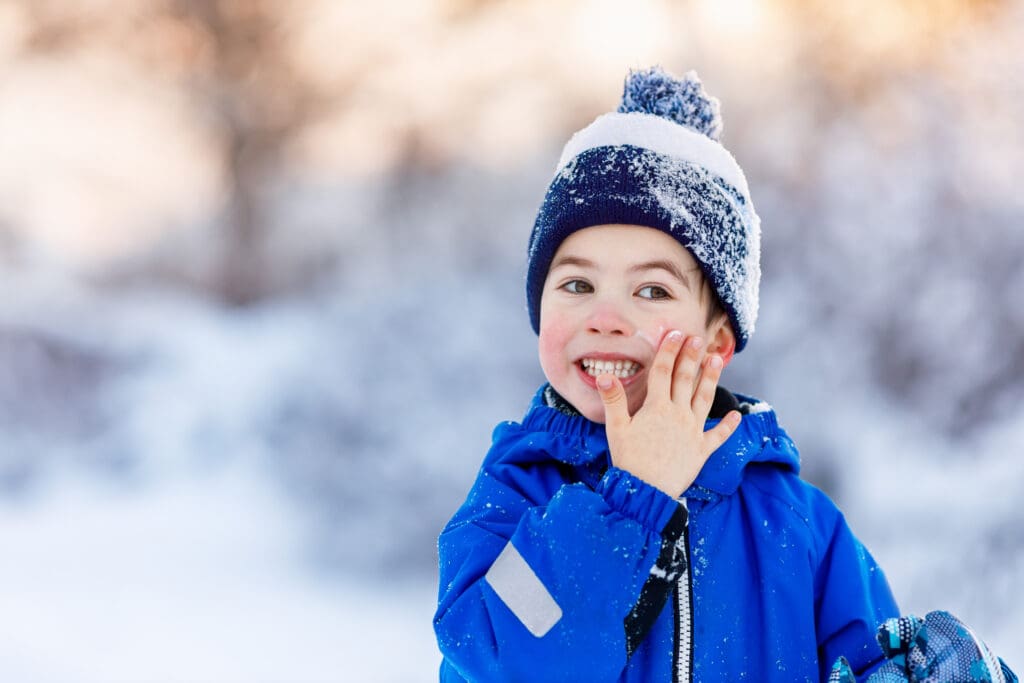
As temperatures drop, many parents notice changes in their child’s skin – dry patches, red cheeks, cracked hands, or flare-ups of conditions like eczema. Winter can be especially harsh on children’s delicate skin, which is thinner and more reactive than adult skin. From dry air and cold winds to woolly layers and long baths, everyday winter routines can contribute to skin discomfort or make existing conditions worse.
At The Devonshire Clinic, we have extensive experience treating children with dermatological concerns, including infants, toddlers and older children. Parents often come to us when over-the-counter remedies aren’t helping, or when a flare-up starts to affect a child’s sleep, comfort or confidence.
This post offers practical guidance on managing common winter skin problems in children, with safe advice you can use at home – and information on when it’s time to seek specialist care from a dermatologist.
Why Winter Is Tough on Children’s Skin
Children’s skin is naturally more vulnerable to irritation, and winter introduces several new challenges:
- Cold, dry air strips moisture from the skin and affects its ability to retain hydration.
- Indoor heating further reduces humidity, creating a drying environment.
- Frequent handwashing during cold and flu season can lead to chapped or cracked hands.
- Wool or synthetic fabrics can cause friction or trigger irritation in sensitive skin.
- Long, hot baths – common in winter – can break down the skin barrier.
- Sun exposure may still occur in winter, especially on the face, but is often overlooked.
These factors contribute to the most common winter skin complaints in children, especially those prone to eczema or other inflammatory skin conditions.
Common Winter Skin Problems in Children
1. Eczema Flare-Ups (Atopic Dermatitis)
Eczema often worsens in winter due to the dry environment. We regularly see children with inflamed, itchy patches on their cheeks, hands, backs of knees and elbows – particularly when indoor heating is running or after a change in routine, such as during school holidays.
What can help:
- Apply a rich emollient 2–3 times per day – ointments are more effective than lotions in winter.
- Avoid fragrance or preservatives, which can trigger flare-ups.
- Dress your child in soft, breathable layers, ideally cotton or bamboo.
- Use short, lukewarm baths, no more than once a day.
- Pat skin dry and apply moisturiser immediately after bathing.
Our team offers tailored support for eczema through our paediatric eczema service.
2. Dry, Cracked Skin
Children may develop dry or rough patches on the face, hands, or legs – especially if they spend time outdoors. Cracked skin on the knuckles is particularly common due to frequent handwashing and exposure to cold.
What can help:
- Use a fragrance-free moisturiser several times daily, especially before bed.
- Apply a protective balm or ointment to cracked areas – petroleum jelly is safe and effective.
- Use mild soap substitutes or emollient-based cleansers.
- Keep humidifiers running in bedrooms to improve air moisture.
If cracks become painful, bleed, or show signs of infection, a dermatology review may be needed.
3. Chilblains (Pernio)
Chilblains are red, swollen, itchy patches that appear on fingers, toes, or ears in response to cold, damp conditions. They occur when the skin’s blood vessels react to rapid temperature changes.
Signs include:
- Red or purple discolouration
- Itching or burning sensation
- Swelling or tender spots
- Blisters or small ulcers in severe cases
Management tips:
- Keep extremities warm with gloves, thick socks and appropriate footwear.
- Avoid direct heat (like heaters or hot water bottles) to warm cold skin – warm gradually.
- Moisturise with a non-irritating barrier cream.
- If symptoms persist or worsen, we can assess and rule out other vascular or autoimmune causes.
4. Contact Irritation from Winter Fabrics and Fragrances
From wool jumpers to festive-scented bath products, winter often introduces new irritants into your child’s environment. For sensitive skin, this can cause contact dermatitis or mild allergic reactions.
Common triggers include:
- Wool and synthetic fibres
- Scented bubble baths and soaps
- Fabric softeners
- Festive decorations or face paints
What can help:
- Dress your child in a cotton layer under wool to reduce direct contact.
- Stick to fragrance-free, paediatric-tested products.
- Wash new clothes before use to remove chemicals or dyes.
- Avoid using adult toiletries on children, even if they appear gentle.
If your child develops persistent redness or itching, our dermatology team can help identify triggers and recommend appropriate treatments.
Safe Winter Skincare for Children: What to Use
We’re often asked which products are best for young, sensitive skin in winter. The key is to keep it simple, gentle and consistent.
Recommended moisturisers:
- Petroleum jelly (Vaseline) – great for cracked skin and barrier protection
- Emollient ointments – thicker than creams and effective in locking in moisture
- Cream-based emollients – ideal for daytime use, especially after washing
Look for products labelled:
- Fragrance-free
- Hypoallergenic
- Suitable for infants or children
- Dermatologically tested
Gentle cleansers:
Opt for soap substitutes or non-foaming washes. Avoid products with sodium lauryl sulphate (SLS) or artificial colouring. Bath oils designed for eczema-prone skin can also help.

When to See a Dermatologist
While many winter skin issues can be managed at home, there are times when professional help is needed. You should consider seeing a dermatologist if:
- Your child’s eczema isn’t improving with moisturisers or over-the-counter treatments
- They’re waking at night from itching or discomfort
- There are signs of infection (oozing, crusting, swelling)
- Chilblains are persistent or severe
- Skin reactions are affecting their confidence or quality of life
At The Devonshire Clinic, we offer paediatric dermatology services delivered by consultant dermatologists with experience treating children and young people. Our goal is to provide clear diagnoses, effective treatment plans and supportive care tailored to your child’s age and needs.
Supporting Your Child’s Skin Through Winter
Children’s skin is sensitive to seasonal changes, but with the right care – and early support when needed – most winter skin problems can be managed effectively. If you’re concerned about your child’s skin or have questions about safe products or treatment options, we’re here to help.
To book an appointment or learn more, visit The Devonshire Clinic or explore our full range of paediatric dermatology services.
Frequently Asked Questions
Can I use adult moisturisers on my child?
Some may be safe, but many contain fragrance or actives not suitable for children’s skin. Stick to paediatric formulations or ask your dermatologist for recommendations.
Is it safe to bathe my child every day in winter?
Yes, but keep baths short (under 10 minutes) and use lukewarm water. Apply moisturiser immediately afterwards.
My child’s cheeks are red and dry – is it eczema?
It could be, but it may also be windburn or contact dermatitis. If it persists, a professional assessment can help confirm the cause.
Can I prevent chilblains in my child?
You can reduce the risk by dressing them warmly, especially hands and feet, and avoiding sudden exposure to cold. Keeping skin moisturised also helps.