How Darker Days, Stress and Winter Blues May Affect Your Skin Health
As the days become shorter and temperatures drop, many of us notice changes in our energy levels, mood and daily routines. Winter can bring feelings of tiredness, increased stress and disrupted sleep, particularly when there are fewer daylight hours and more time spent indoors. While these seasonal changes are often associated with mental wellbeing, they can also influence how our skin looks and feels.
At our clinic, we understand that skin health is closely connected to overall wellbeing. Stress, poor sleep and changes in everyday habits can contribute to concerns such as breakouts, increased sensitivity and flare-ups of existing conditions, including eczema and psoriasis. Combined with cold weather and central heating, these factors can make winter particularly challenging for people already managing sensitive or inflammatory skin.
From our clinical experience, addressing skin concerns effectively often means looking beyond the products someone is using. Understanding lifestyle factors, emotional wellbeing and environmental triggers can help us identify why symptoms may be worsening. In this article, we explore the relationship between mental wellbeing and skin health, why winter can make certain conditions more troublesome, and the practical steps you can take to support your skin throughout the colder months.
Understanding the Connection Between Your Mind and Skin
Our skin and nervous system are closely connected, and emotional stress can influence several biological processes involved in skin health. When we experience stress, the body activates its stress-response systems, including the release of hormones such as cortisol. These responses are useful in the short term, but prolonged stress can influence inflammation, immune activity and the skin’s ability to maintain its protective barrier.
For some people, this can contribute to increased itching, sensitivity or worsening symptoms of an existing skin condition. Stress may also influence behaviours that affect the skin, such as scratching, picking spots, sleeping poorly or becoming less consistent with prescribed treatments.
The relationship works in both directions. Living with a visible or uncomfortable skin condition can itself cause emotional distress, particularly when symptoms interfere with sleep, social activities or confidence. Someone experiencing persistent eczema, for example, may struggle to sleep because of itching, which can then make the following day more tiring and stressful.
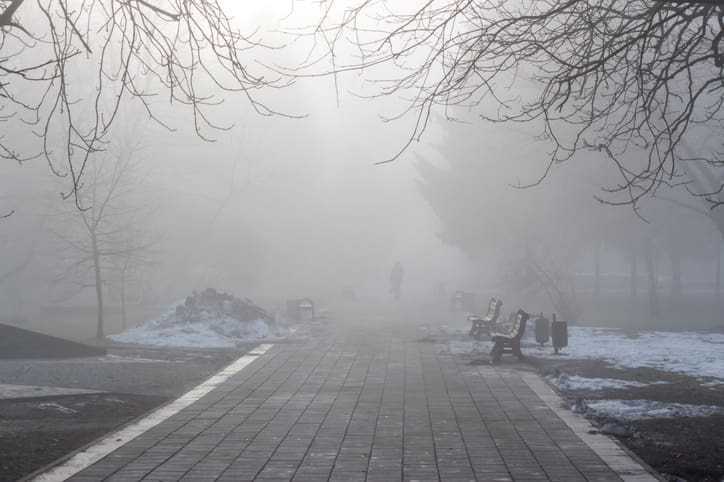
How Winter Blues and Seasonal Affective Disorder Can Affect Skin Health
Seasonal affective disorder (SAD) is a form of depression associated with a seasonal pattern, most commonly occurring during autumn and winter. According to the NHS, symptoms can include persistent low mood, tiredness, changes in sleep and appetite, and reduced interest in everyday activities.
Reduced daylight exposure is thought to contribute to seasonal changes in mood and sleep regulation, although the causes of SAD are complex. Not everyone who feels less energetic during winter has SAD, and occasional seasonal tiredness should be distinguished from persistent symptoms of depression.
There isn’t strong evidence that SAD directly causes a particular skin condition. However, the associated changes in sleep, stress, activity levels and daily routines may indirectly affect skin health. Someone who feels exhausted or overwhelmed may find it harder to maintain regular skincare, prepare balanced meals or follow an established treatment plan.
Winter also introduces environmental factors that can worsen skin symptoms independently of mood. Cold outdoor air, low indoor humidity and frequent exposure to central heating can increase dryness and irritation. When these influences occur alongside stress or poor sleep, existing skin concerns may become more difficult to manage.
For patients experiencing persistent low mood, speaking to a GP is important. Skin treatment can address dermatological symptoms, but it isn’t a substitute for appropriate mental health assessment and support.
Common Skin Problems Linked to Stress and Seasonal Changes
Stress-Related Acne and Breakouts
Many people notice that their acne becomes more troublesome during periods of emotional stress. Although stress isn’t the sole cause of acne, it can influence inflammatory processes and may contribute to flare-ups in people who are already susceptible.
Winter routines can introduce additional challenges. Changes in sleep, increased sweating beneath heavier clothing and the use of unsuitable skincare products may contribute to irritation or congestion. Some patients also respond to breakouts by using stronger cleansers or exfoliating products, which can damage the skin barrier without addressing the underlying acne.
We generally recommend maintaining a consistent skincare routine and avoiding the temptation to introduce several active ingredients simultaneously. Gentle cleansing, a suitable non-comedogenic moisturiser and appropriate acne treatment are often more helpful than repeatedly changing products.
Persistent acne, painful lesions or breakouts that are beginning to cause scarring should be assessed professionally. A dermatologist can help establish the type and severity of acne and recommend treatment based on the individual’s skin.
Eczema and Stress-Related Flare-Ups
Eczema is particularly relevant when discussing the relationship between stress and skin health. The condition involves skin barrier dysfunction and inflammation, often resulting in dryness, redness and itching. Emotional stress can contribute to worsening symptoms in some patients, although it is rarely the only trigger.
During winter, cold weather and heated indoor environments can further increase moisture loss. This may leave eczema-prone skin more vulnerable to irritation, while wool clothing, sweating and fragranced products can add to discomfort.
Itching can create a difficult cycle. Scratching temporarily relieves the sensation but damages the skin, potentially increasing inflammation and making further itching more likely. When symptoms are worse at night, disrupted sleep can add another source of stress and fatigue.
Regular emollient use and following an appropriate prescribed treatment plan remain important. Patients experiencing repeated or severe flare-ups can find further information through our eczema dermatology service, where we assess symptoms and recommend suitable management.

Psoriasis and Emotional Wellbeing
Psoriasis is a chronic immune-mediated condition that can be influenced by several factors, including stress. It commonly causes raised, inflamed and scaly patches of skin, although its appearance varies between individuals and skin tones.
Some patients notice that their psoriasis becomes more active during stressful periods. Winter can create additional difficulties because colder weather, dry skin and reduced sunlight exposure may contribute to worsening symptoms in certain individuals.
The emotional impact of psoriasis should also be recognised. Visible plaques, itching and discomfort can affect confidence, sleep and social activities. These difficulties may be particularly noticeable during the festive season, when people are attending social events or managing additional commitments.
Maintaining prescribed treatments, moisturising regularly and seeking support when symptoms become difficult to control can help. Our psoriasis treatment service provides specialist assessment and management for patients experiencing persistent or recurrent symptoms.
Dry, Sensitive and Dull-Looking Skin
Not every winter skin concern involves a diagnosed condition. Many people notice that their complexion looks less radiant, feels rougher or becomes more sensitive during colder months.
Low humidity and central heating can contribute to dehydration of the outer skin layers, making fine lines and uneven texture more noticeable. Poor sleep may also affect how rested someone appears, although dull-looking skin isn’t a reliable indicator of a particular health problem.
When the skin feels dry or irritated, increasing exfoliation is rarely the best starting point. Instead, we generally recommend concentrating on gentle cleansing, moisturisation and avoiding products that cause stinging or persistent redness.
A consistent routine can help improve comfort and appearance over time. If dryness remains severe or is accompanied by inflammation, cracking or persistent itching, a dermatological assessment may be necessary to rule out an underlying condition.
Supporting Your Skin and Wellbeing During Winter
Prioritise Consistent Sleep
Sleep is important for general health, emotional wellbeing and normal physiological repair processes. Although individual sleep requirements vary, most adults benefit from maintaining a regular sleep schedule and allowing sufficient time for rest.
During winter, reduced daylight exposure and changes in daily routines can make sleep patterns less consistent. We recommend keeping reasonably regular bedtimes and waking times, even during weekends and holidays where possible.
Limiting caffeine late in the day, reducing stimulating activities before bed and creating a comfortable sleeping environment can also help. If your bedroom becomes very warm and dry overnight, adjusting the heating and using an appropriate moisturiser may improve skin comfort.
For patients with eczema or psoriasis, nighttime itching can be a significant barrier to sleep. If symptoms repeatedly wake you, professional treatment may be needed rather than simply trying to improve sleep habits.
Find Practical Ways to Manage Stress
Stress management doesn’t need to involve complicated routines or major lifestyle changes. Small, consistent activities that help you feel more comfortable and rested can be valuable, particularly during busy or demanding periods.
Regular physical activity, spending time outdoors during daylight hours and maintaining social connections can support mental wellbeing. Relaxation techniques, breathing exercises or setting aside time for enjoyable activities may also help some people manage everyday stress.
We encourage patients to identify approaches that fit realistically into their lives. A short walk during a lunch break, for example, may be easier to maintain than an ambitious exercise programme that becomes another source of pressure.
It’s important to remember that reducing stress isn’t a replacement for medical treatment. If you have eczema, psoriasis or acne, appropriate dermatological care remains necessary even when stress appears to contribute to flare-ups.
Maintain a Balanced Diet and Adequate Hydration
Nutrition plays an important role in maintaining normal skin function. A balanced diet provides the protein, essential fatty acids, vitamins and minerals involved in tissue maintenance and repair.
We generally recommend eating a varied selection of vegetables, fruit, wholegrains and protein sources, alongside foods containing healthy fats. The NHS Eatwell Guide provides useful advice on maintaining a balanced diet.
Drinking sufficient fluids is important for overall health, particularly if you’re exercising or spending time in heated environments. However, drinking excessive amounts of water won’t directly correct a damaged skin barrier. Topical moisturisers remain important for managing dryness.
We also advise caution with restrictive diets or supplements marketed as solutions for skin conditions. Unless a particular deficiency or dietary trigger has been identified, eliminating entire food groups may provide little benefit and can make maintaining adequate nutrition more difficult.
Keep Your Winter Skincare Routine Gentle
When skin becomes dry or sensitive, simplifying your routine can be more helpful than adding multiple new products. We often recommend concentrating on three essentials: gentle cleansing, suitable moisturisation and appropriate sun protection.
A fragrance-free cleanser can help remove impurities without unnecessarily stripping the skin. Following cleansing with a moisturiser containing ingredients such as ceramides, glycerin or petrolatum can help support the skin barrier and reduce moisture loss.
Patients using retinoids, exfoliating acids or other active ingredients may need to adjust how frequently they apply them during winter. If products begin causing persistent stinging, redness or peeling, it may be appropriate to reduce their use and seek advice.
Sun protection shouldn’t be forgotten simply because the weather is colder. UV exposure remains relevant throughout the year, particularly during outdoor activities, and protecting the skin from excessive UV radiation supports long-term skin health.
When Should You See a Dermatologist?
Occasional dryness or a mild breakout may improve with simple changes to skincare and daily routines. However, persistent symptoms shouldn’t automatically be attributed to stress or winter weather.
We recommend seeking dermatological advice if you experience frequent eczema or psoriasis flare-ups, acne that isn’t responding to appropriate treatment, or skin irritation that continues despite using gentle products. Symptoms that interfere with sleep, work or everyday activities also deserve attention.
Cracked skin, bleeding, oozing or increasing pain may indicate complications requiring medical assessment. If an area becomes rapidly more inflamed, hot or swollen, or you feel generally unwell, prompt medical advice is important.
At our clinic, we consider the full picture when assessing skin concerns. This includes the appearance of the skin, medical history, previous treatments and potential environmental or lifestyle triggers. Where stress or disrupted sleep appears relevant, we can discuss these factors alongside appropriate dermatological treatment.
You can learn more about the conditions we assess through our medical dermatology services.
Frequently Asked Questions
Can stress really cause skin problems?
Stress can contribute to flare-ups of certain skin conditions, including acne, eczema and psoriasis, although it is rarely the only cause. Stress-related biological responses and changes in sleep or everyday habits may influence inflammation and skin barrier function. Persistent symptoms should be assessed rather than assumed to be caused entirely by stress.
Does seasonal affective disorder directly affect the skin?
There isn’t clear evidence that seasonal affective disorder directly causes specific skin conditions. However, associated changes in sleep, mood, stress and daily routines may indirectly influence skin health. If you’re experiencing persistent seasonal low mood, a GP can provide appropriate assessment and support.
Why does my eczema become worse when I’m stressed?
Stress can influence inflammatory and immune responses, potentially contributing to eczema flare-ups in susceptible individuals. Scratching and disrupted sleep can then make symptoms more difficult to manage. Regular emollient use and appropriate prescribed treatment remain important.
Can lack of sleep make acne worse?
Poor sleep may contribute indirectly to acne through its relationship with stress and inflammation, although acne has several underlying causes. Maintaining a regular sleep routine can support overall wellbeing, but persistent acne may still require specific dermatological treatment.
What is the best skincare routine for stressed winter skin?
A gentle cleanser, suitable moisturiser and appropriate sunscreen provide a useful foundation. If your skin is particularly sensitive, avoid introducing several active ingredients at once and reduce products that cause irritation. A dermatologist can recommend a more targeted routine where necessary.
Should I see a dermatologist if my skin problems are affecting my confidence?
Yes. Skin conditions can affect emotional wellbeing and quality of life, even when they aren’t medically severe. A dermatologist can assess the underlying concern and discuss treatment options, while additional psychological support may be helpful if distress is significant.
Looking After Your Skin and Wellbeing This Winter
The relationship between emotional wellbeing and skin health is complex, particularly during winter when shorter days, disrupted routines and environmental changes can occur together. Stress and poor sleep may contribute to existing skin concerns, while cold weather and central heating can independently increase dryness and irritation.
Maintaining healthy skin during the colder months often involves a combination of consistent skincare, balanced nutrition, sufficient sleep and practical stress management. These habits can support overall wellbeing and help reduce avoidable irritation, but they shouldn’t replace appropriate treatment for diagnosed dermatological conditions.
If you’re experiencing persistent breakouts, eczema, psoriasis or unexplained skin irritation, we can help establish what’s contributing to your symptoms and recommend an appropriate treatment plan. Explore our medical dermatology services or visit The Devonshire Clinic to find out more about our approach to maintaining healthy skin throughout the year.